And why, if you’re a leader, you should prick up your ears
Some say democracy died the day we chose to make our decisions by going to the vote, with a majority winner taking all.
Previously, prior to the 5th Century BC in Ancient Greece, decisions were generally made using dialogue: the sit around the camp fire approach, with conversation continuing until there was sufficient agreement within the group. Time consuming? Yes. But in terms of generating the degree of commitment to action, a very worthy investment.
Fast forward to today where you have to go back to 1972 to get a US presidential election result where the winner got >59% of the popular vote. The presidents since have hovered around the 43-53% mark, with only Reagan standing out with 58.77% for his second term in 1988.
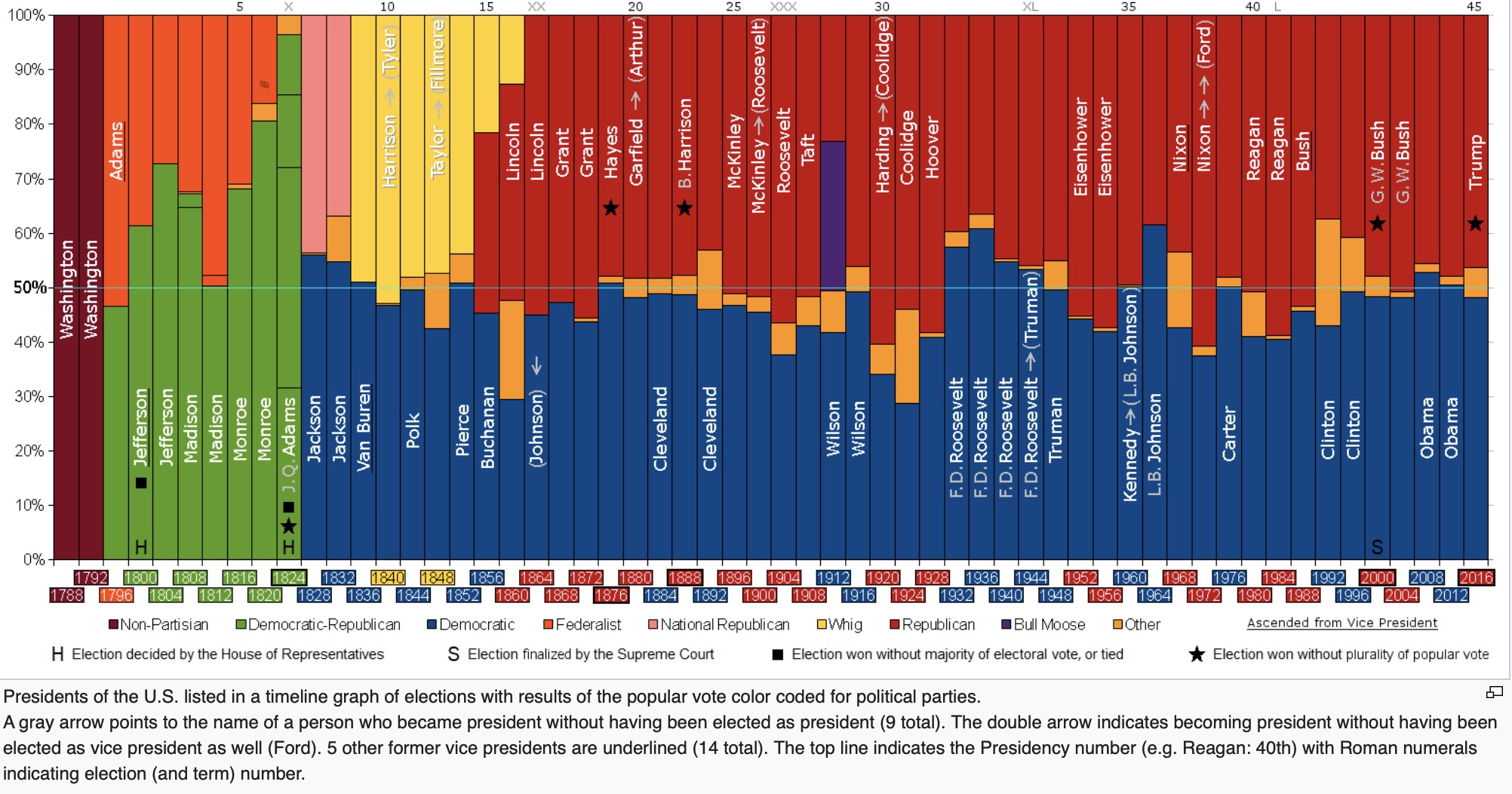
We don’t have to look very far to find similar results in a wide range of countries, where the balance of power swings with the move of 1-2% in the election results. Meaning that during every term of power, there are a huge number of people who become disenfranchised, and channel their energies into swinging the system back in their favour. In doing so we reinforce duality: us or them, good or bad, rich or poor, safe or unsafe and so on.
Unconsciously there’s a similar thing going on in many organisations. A key contributor to this comes down to leaders and their teams not having a broad enough collection of decision-making tools, and very rarely agreeing up front what process the group or team will use to make the decision that needs to be made. The result: not everyone is really bought into the decision, and ‘agreed’ actions fall through the cracks, get eaten up by something with a greater priority, or are taken, but not with good heart. It may also turn out to be a bad decision too, with negative consequences.
Maybe you’ve seen this? Sadly, the vast majority of decisions made in far too many organisations are made by:
- The boss (not necessarily a bad thing, it depends on the decision to be made)
- The person who shouts loudest, or
- Group consensus voting – one of the worst ways of making a decision, akin to the way so many Prime Minister and Presidents are chosen…
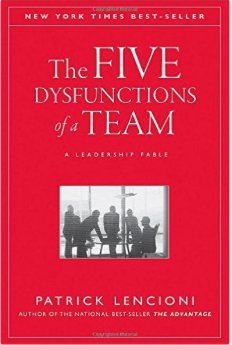
Patrick Lencioni of ‘The 5 Dysfunctions of a Team’ fame talks about the importance of weighing in (having your say), deciding, and then committing (even if you disagree with the decision). There’s a lot to be said for this approach AND there’s an art to facilitating decision-making processes that help to generate the degree off commitment needed for action to (willingly) happen. At the heart of doing this is having the most appropriate processes in the first place.
So which decision-making tools should you have in your toolbox? The conundrum here is if you don’t already have these, you’ll need to decide on which tools to use before you have the tools needed to make the decision! Which could lead you to make the wrong decision.
So, if this is an area your organisation would benefit from developing, here are some suggested actions:
- Use an independent facilitator, who has no agenda - political or otherwise - that might influence your choice. They’ll support the process of you clarifying which decision-making processes are needed in your organisation and/or teams.
- Agree up front on choice of decision-making process for each upcoming decision. This doesn’t have to take long, but is a discipline the vast majority of teams lack.
- For significant decisions, agree on what data qualifies as relevant and admissible up front. We’ve seen so many teams launch into the debate, only for different ‘camps’ to pick holes in each other’s data, trying to prove it’s not sound/relevant etc. Confirmation bias comes out in steroids here. Donald Trump come to mind anyone?
Oh, by the way, feelings are data too.
Notice the Ancient Greeks’ approach was using Dialogue. Not discussion, and most certainly not debate. Dialogue is typically an overlooked approach. It’s a mindset and capability which is so often sorely lacking in society in general. We badly need to bring it to the fore, particularly right now to help with Black Lives Matter and gaining a far deeper understanding of our societal issues. Let's not limit the world's future by simply carrying on with inappropriate decision-making processes ad infinitum.
Like to know more about decision making processes and/or the Art of Dialogue? Contact us for an informal chat: our aim is for you to gain some useful food for thought.